Skip to the content.

Water Treatment Plant

A single-room horror puzzle that keeps the next step obvious even as the space changes and the mood shifts.

My Role

  • Role: Solo level designer for a course assignment.
  • Owned: Layout, puzzle sequence, lighting guidance, and pacing.
  • Iteration: Ran six playtests and refined navigation clarity and feedback.

Constraints

  • Scope: One room with limited interactions.
  • Duration: 5 weeks
  • Engine: Unreal Engine
  • Perspective: First person

Assets: Unreal Engine Blockout Starter Pack.

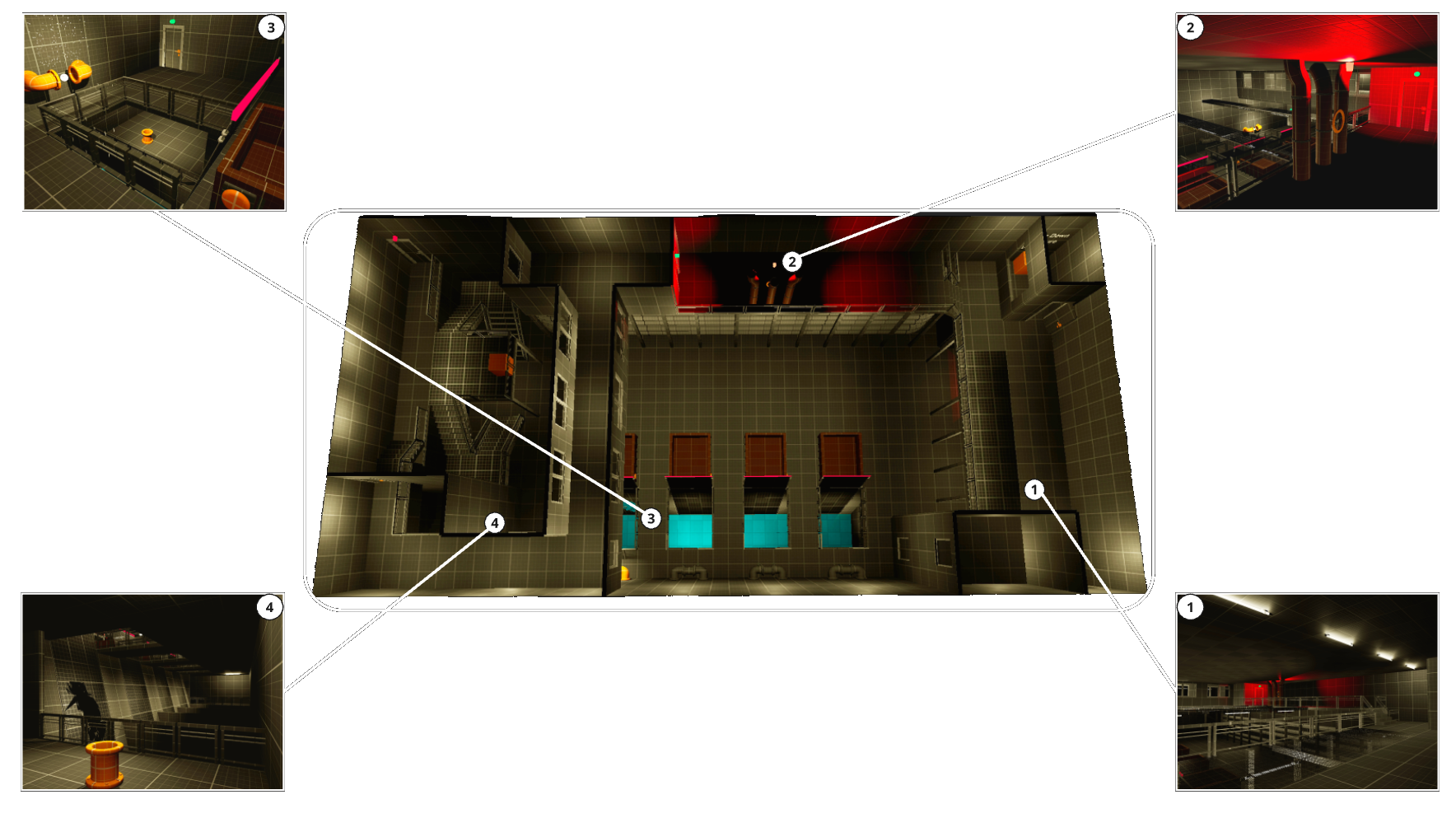
Level Overview

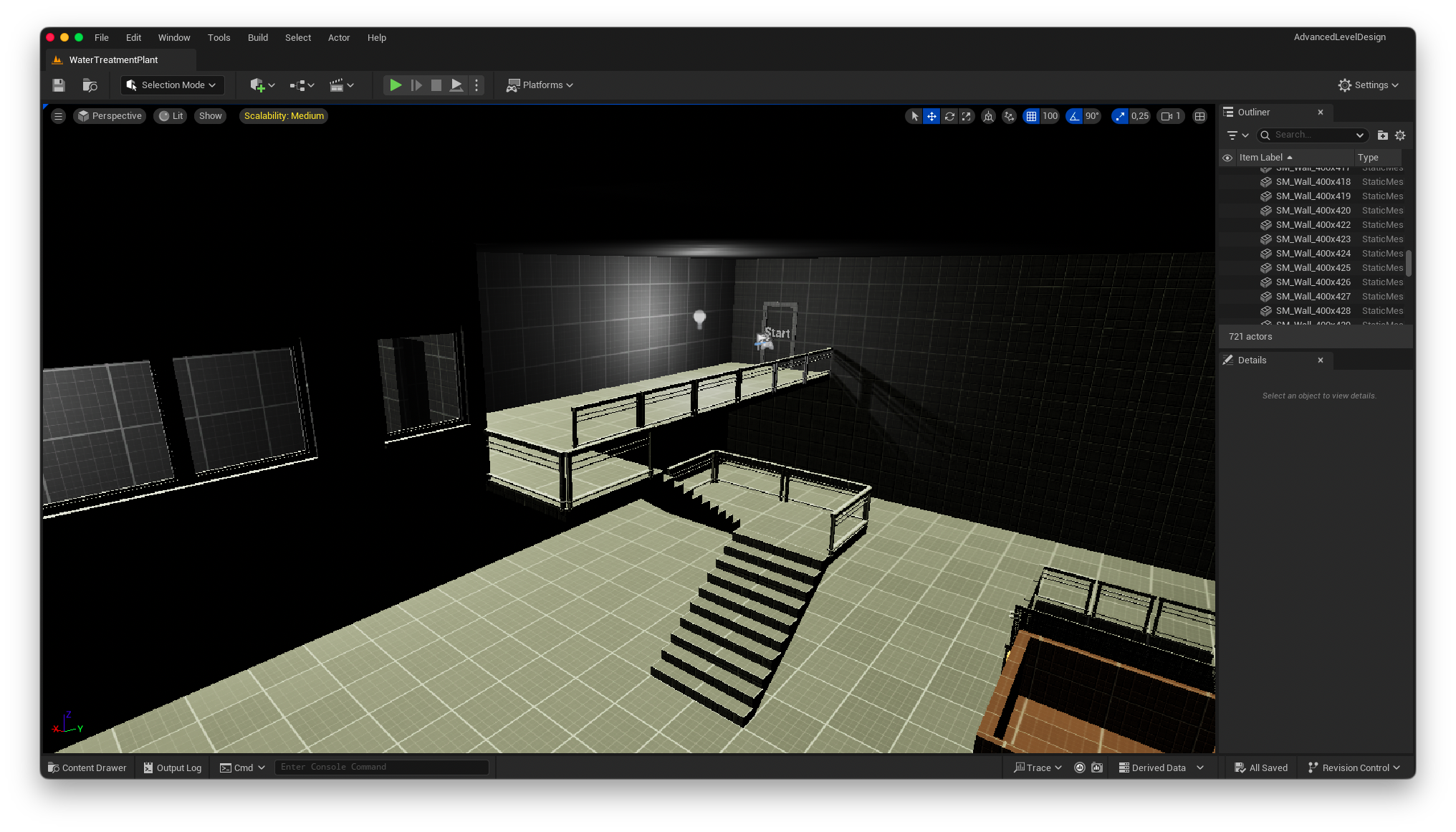
Level overview map

Player Journey

1. Entry & First Read

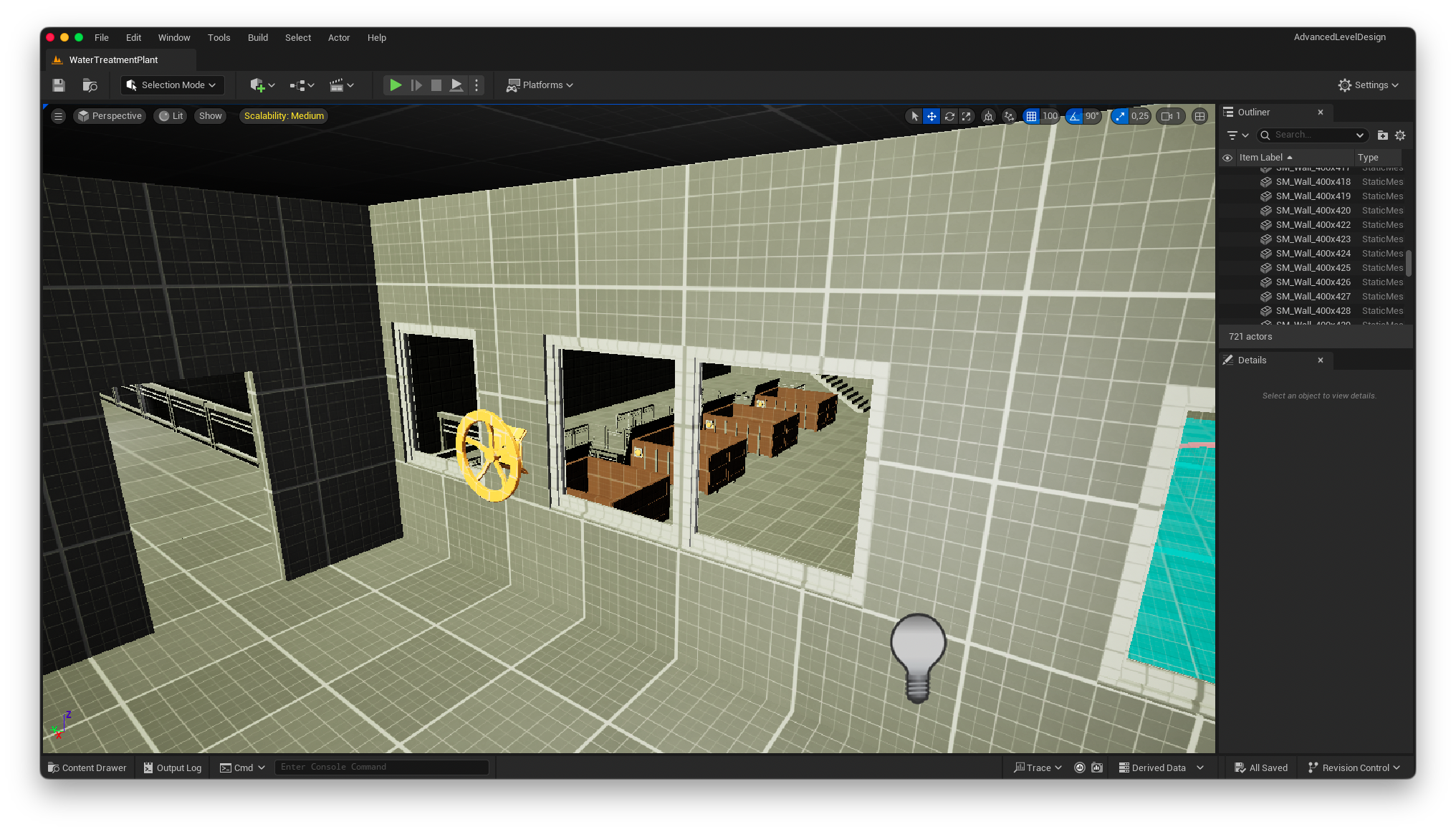
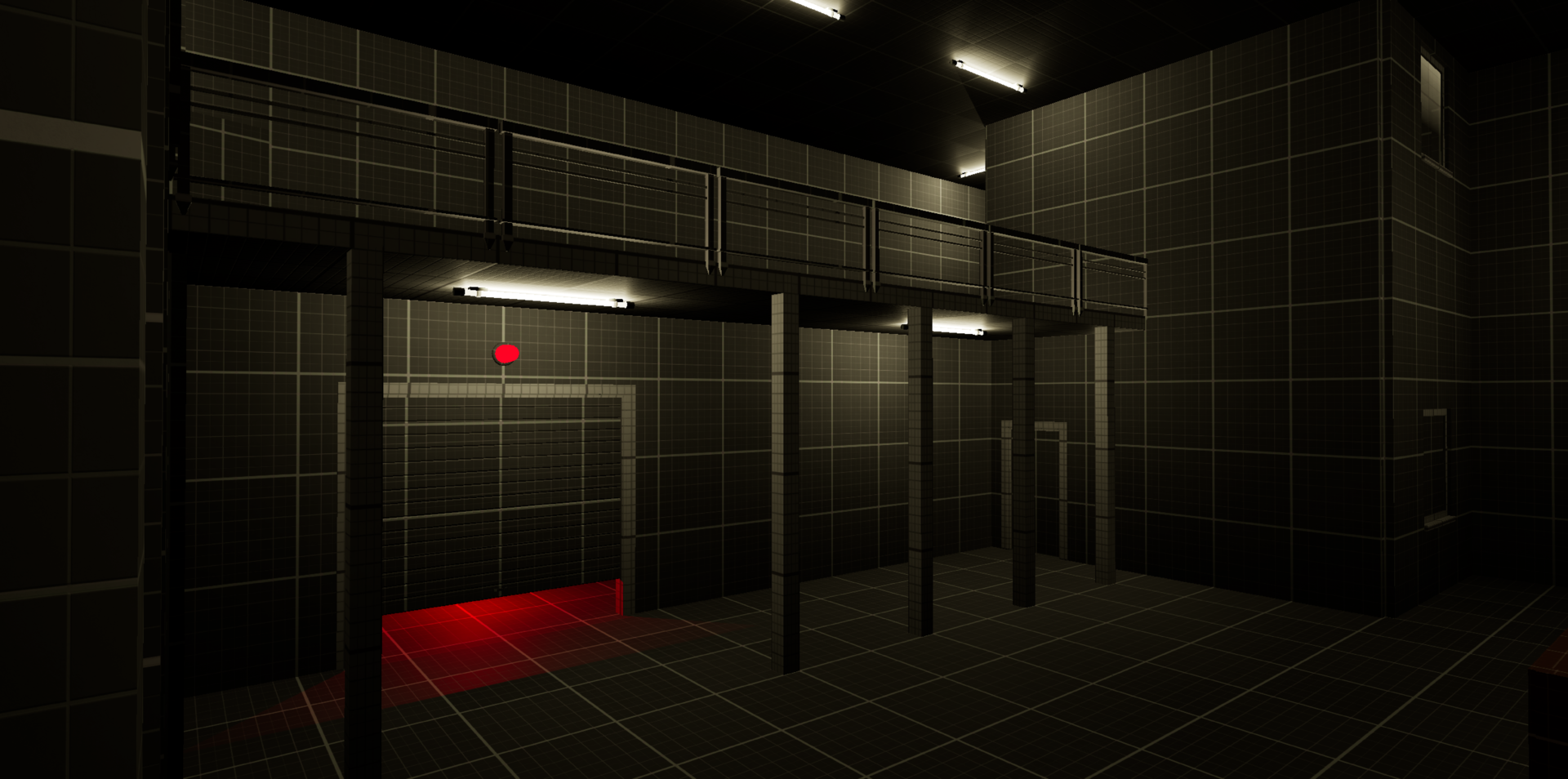
The player enters from the catwalk and reads the pressure valve as important through red alarm lights and sound.

  • What the player sees: Red alarm light, steam, and a loud valve zone ahead.
  • Why focus lands there: The valve is the strongest light and audio source in the room.
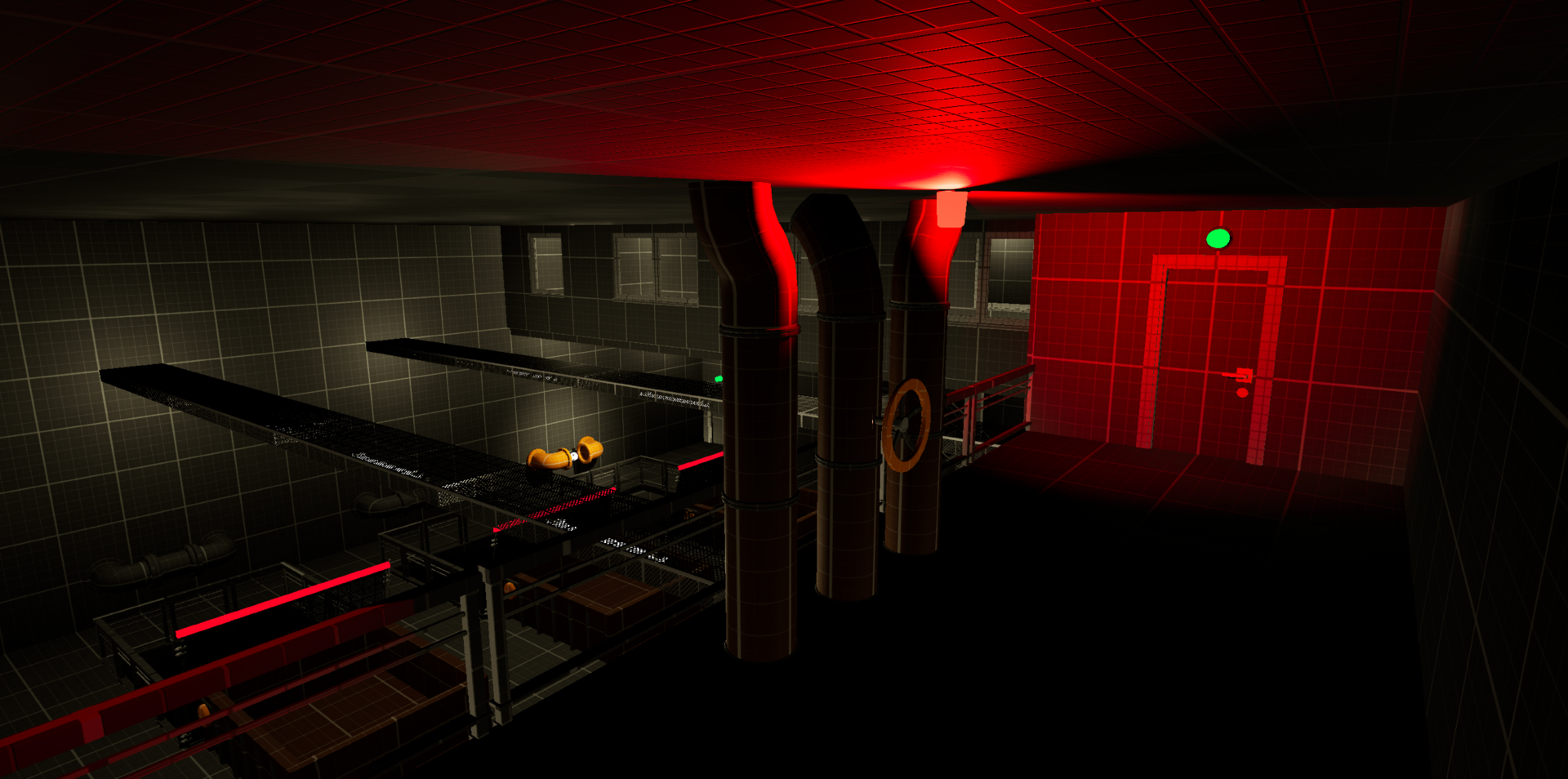
State change and redirection

2. State Change & Redirection

Lowering the pressure turns off the alarm lights and clears the steam, which redirects the player downward.

  • What the player sees: Red light drops, steam clears, and the lower route opens up.
  • Why focus shifts: The noise fades so attention moves to the new path.

3. Problem Identification

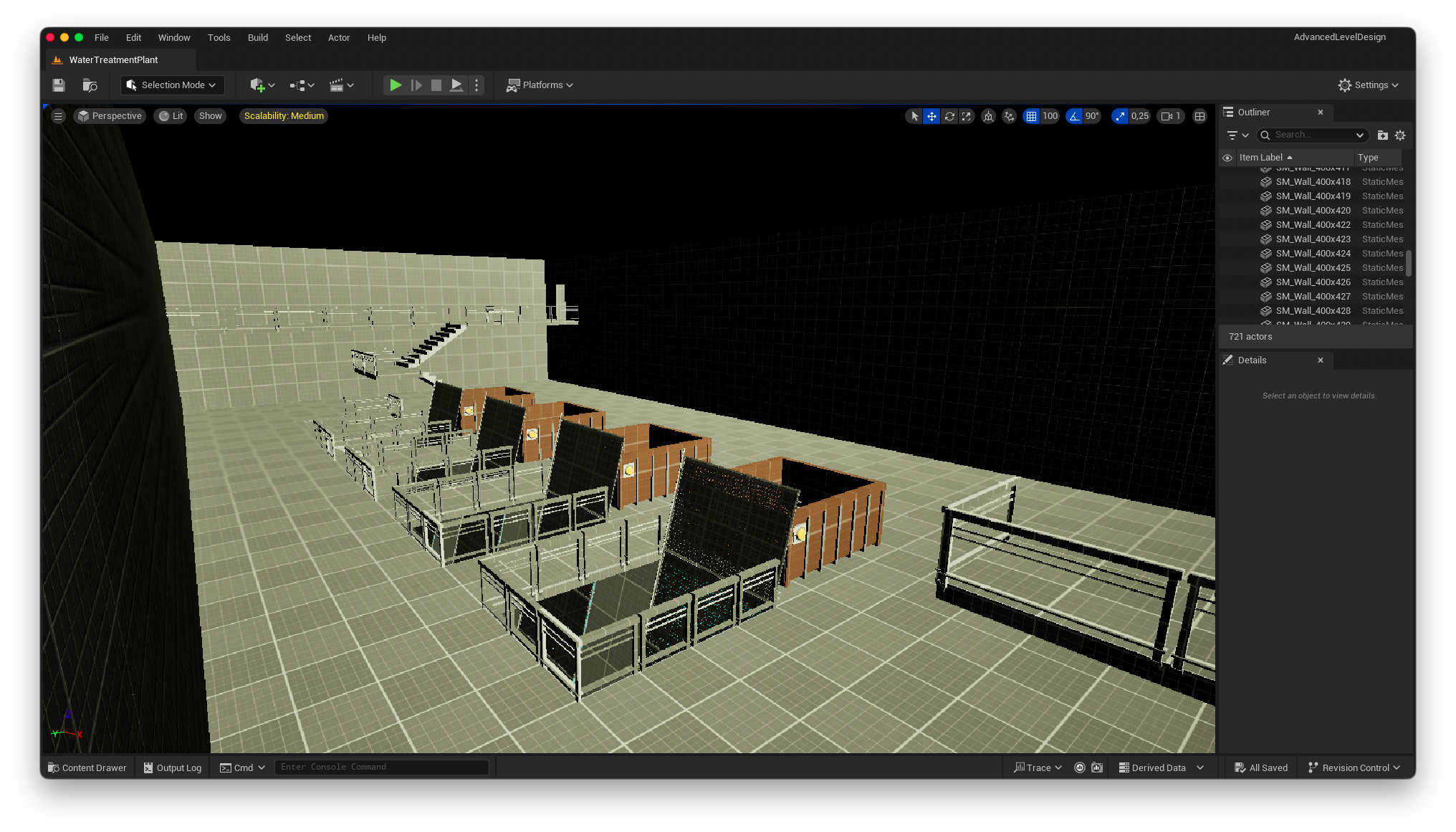
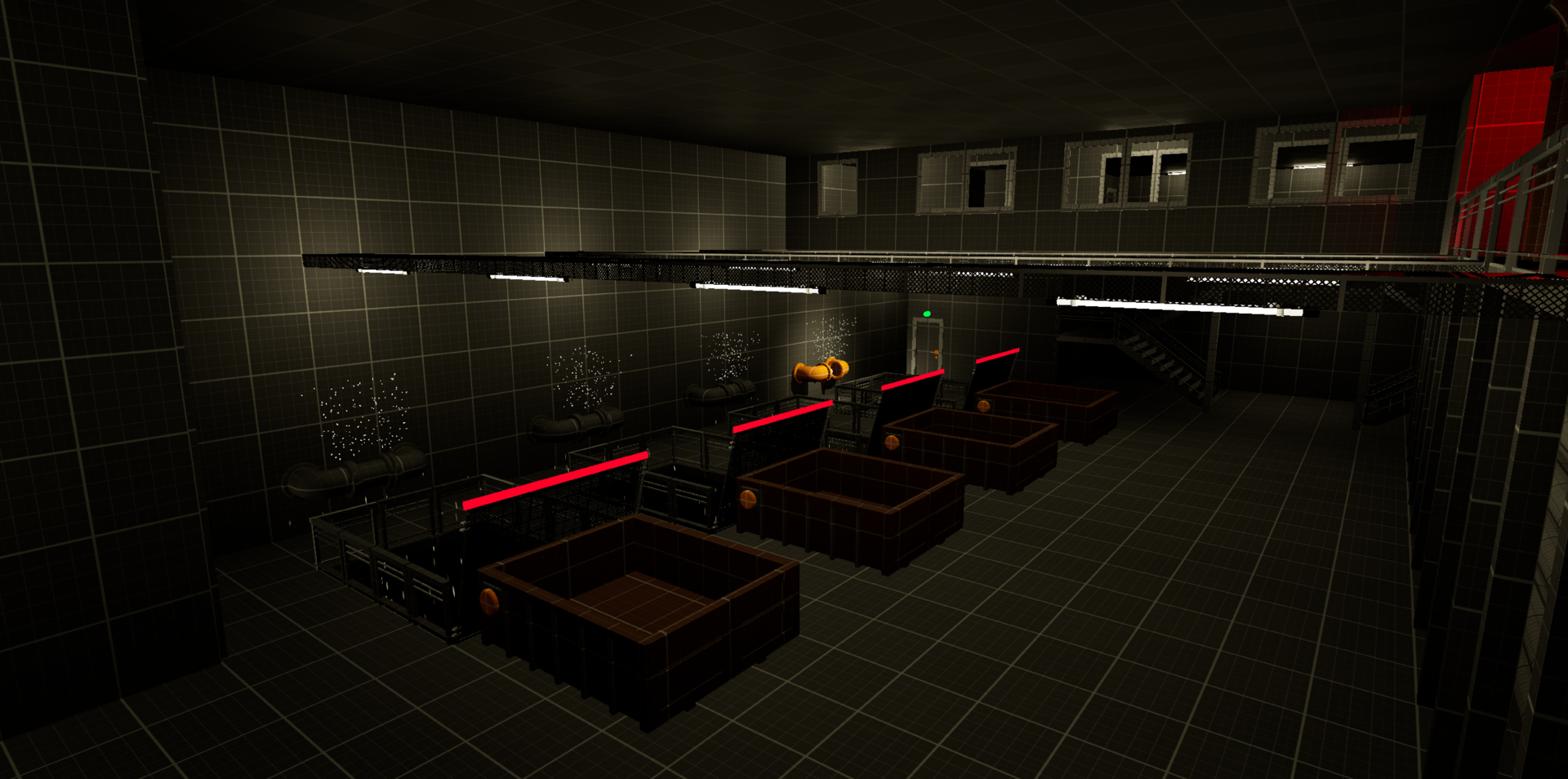
The screen bar looks damaged and draws the player in, then a quick look down reveals the replacement part waiting below.

  • What the player sees: A broken pipe at the screen bar and a visible part on the lower level.
  • Why focus stays clear: The missing piece and replacement are both in view.

4. Reveal & Resolution Setup

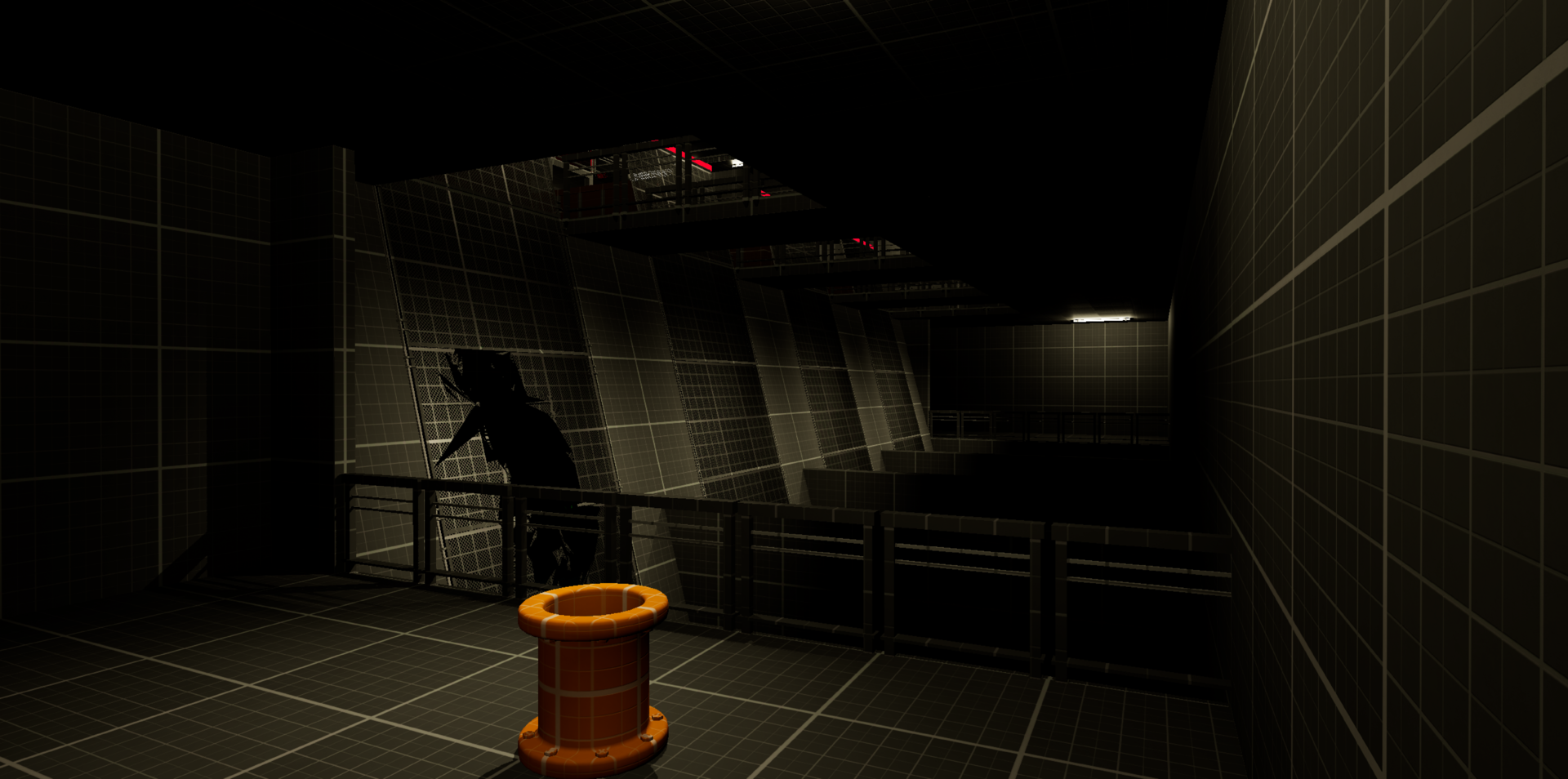
Reaching the lower floor exposes the broken screen bars and confirms the source of the system failure, prompting the player to return and replace the missing pipe.

  • What the player sees: The breach up close and damage around the screen bars.
  • Why the return makes sense: The failure source is confirmed so fixing the pipe is the direct next move.

Iteration & Playtesting

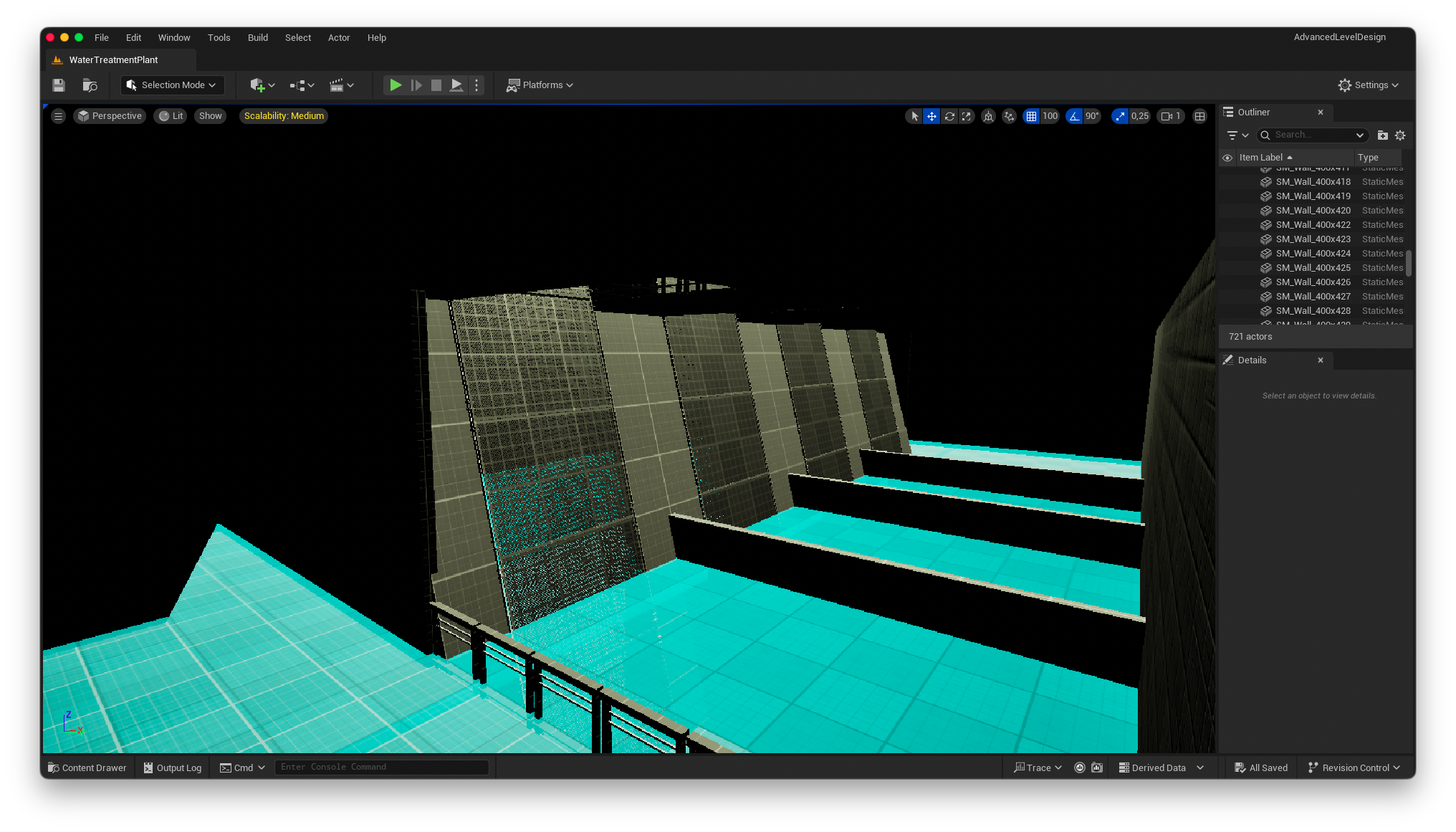
I ran six playtests with peers. Early versions had two main rooms. Feedback showed the screen bar room needed more work on navigation and puzzle clarity. I cut the second room. That let me polish one space and improve layout plus lighting and feedback.

  • Scope cut: Removed the second room to increase polish and reduce cognitive load.
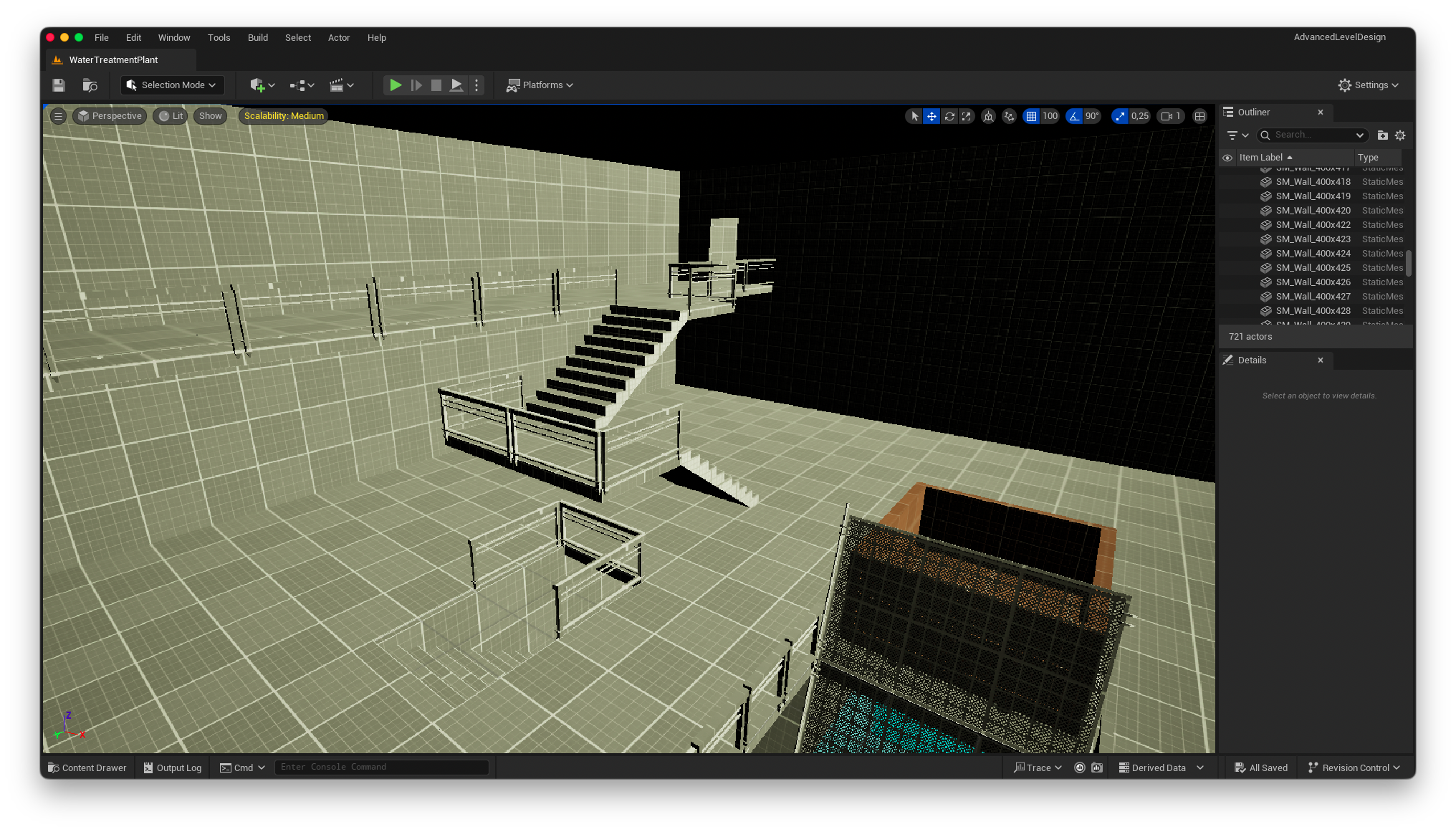
  • Flow rework: Redesigned the catwalk and walkway route to create a clearer critical path and smoother pacing.
  • Puzzle feedback: Moved interactions and added VFX and light cues so players understood cause -> effect.
  • Test focus: Each iteration targeted either navigation clarity or puzzle feedback.
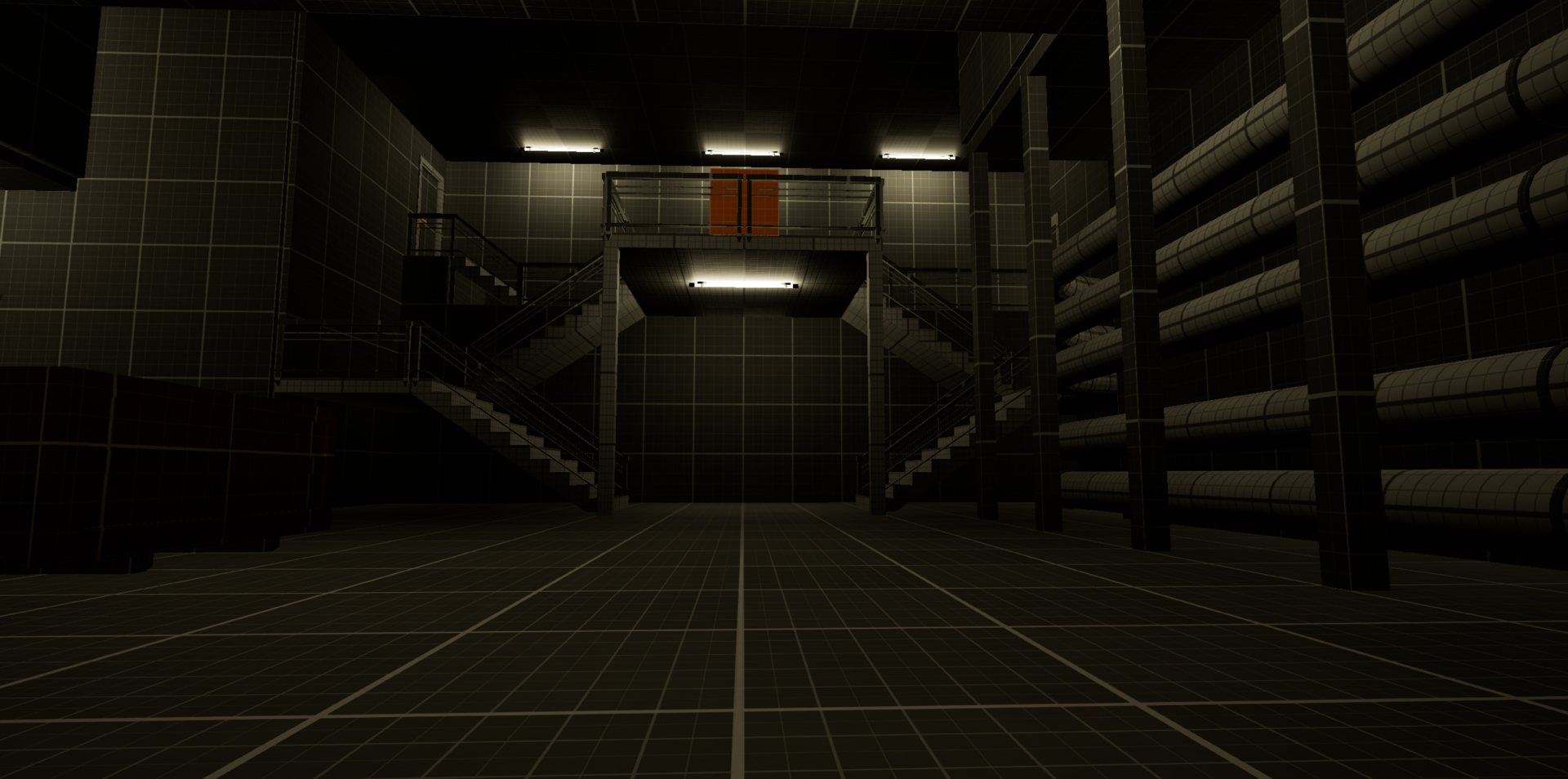
Blockout v1
6 Iterations Playtest sessions
Iteration 6

Key Design Decisions

Restore the Pressure

Main sequence that gets the system running again.

  • Puzzle sequence: Lower pressure. Install the missing pipe. Reactivate the screen bars to open the route.
  • Intent: Make the sequence feel like fixing a real industrial system. Not just pressing buttons.
  • Clarity: Added VFX and lighting feedback so cause -> effect reads instantly without UI.
  • Flow: Each step sends the player back through familiar space so the layout reads better on return.

Guided Exploration

Navigation stays clear because the environment does the guiding.

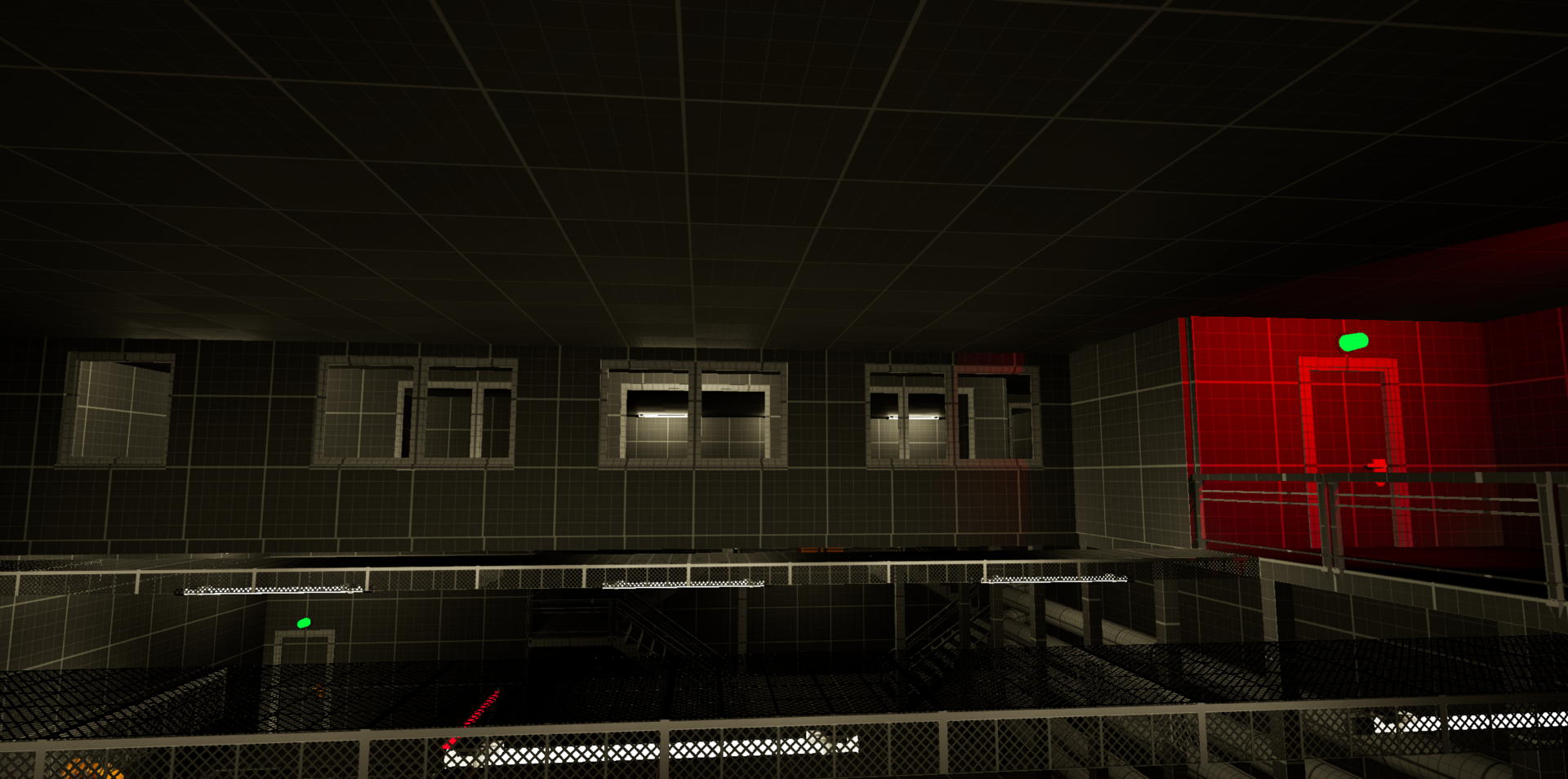
  • Guidance: Lighting contrast and framing plus leading lines pull players toward key interactables.
  • Flow: Reworked the catwalk route to reduce confusion and clarify the critical path.
  • Curiosity: Opened up areas players naturally wanted to explore so it felt rewarding.
  • Landmarks: Used strong light sources and silhouettes so key spaces stayed memorable.

The Breach Reveal

Narrative payoff that flips the mood from problem-solving to threat.

  • Moment: Torn screen bars confirm something powerful forced its way through.
  • Storytelling: Communicated through environment not exposition.
  • Pacing: Relief beat followed by a new unanswered question and tension spike.
  • Orientation: The breach doubles as a landmark that reorients the player.

Full Walkthrough

Takeaways

  • Observation > opinion: Watching where players hesitated was more useful than opinions.
  • Scope choice: Cutting the second room let me polish clarity and pacing.
  • Guidance takeaway: Strong lighting cues reduced hesitation more than extra signage.