Skip to the content.

It's a Fish, Your Majesty

I stepped into level design mid-production to get a playable level back on track and keep the team moving.

My Role

  • Joined: After week one, moved from sound and music to full-time level design.
  • Owned: Combat spaces, traversal flow, and encounter pacing.
  • Stabilized: Fixed a broken blockout so the team could playtest and ship.

Constraints

  • Duration: 4 weeks
  • Engine: Unity
  • Team: 15 people
  • Perspective: 2.5D side-scroller

Production Challenge

Midway through the project the team lacked a playable level prototype, which blocked iteration. During this period I was volunteering at Umeå Game Conference. When I returned I stepped into level design to stabilize the project and deliver a playable level.

During GP2 we did not have a playable prototype level when we expected. It caused delays and stress for the team. After Hugo returned from the game conference, we had a proper level in place within a few days.
— Product Owner, GP2 (15-person team)

Stabilization & Iteration

  • Stabilize: Repair layout and collisions so the team could playtest reliably.
  • Refine: Adjust pathing and spacing to improve clarity and ambush timing.
  • Align: Sync enemy placement and traversal tuning with gameplay updates.
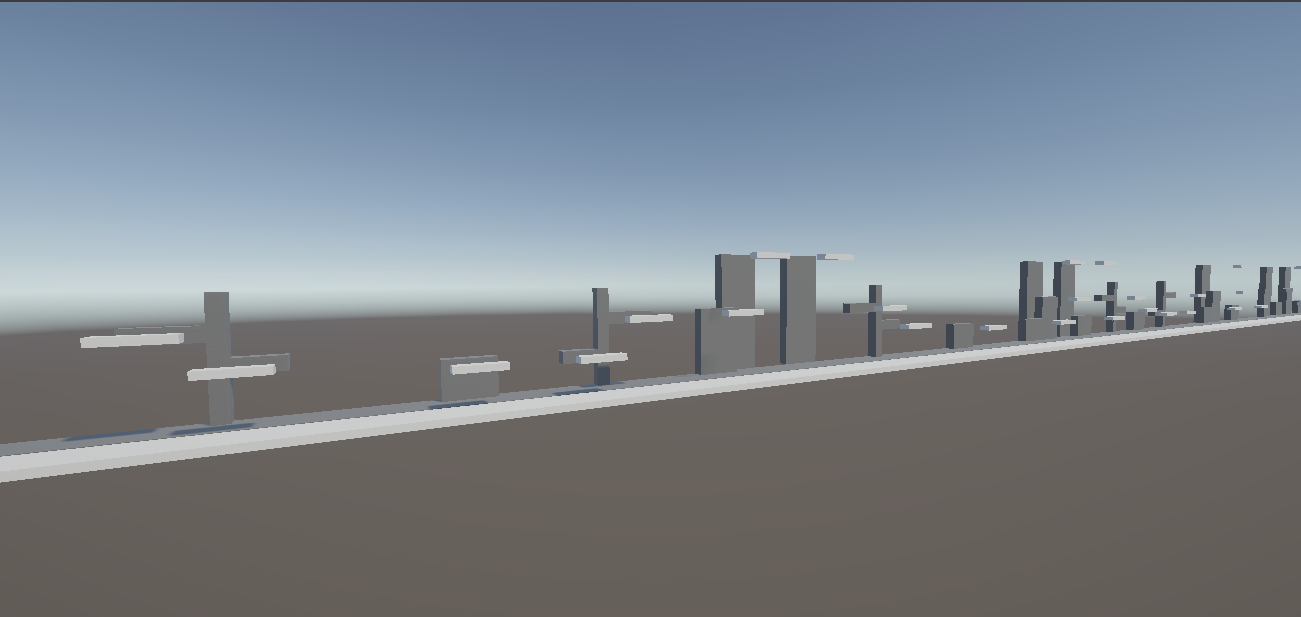
Blockout layout
Blockout v1
Fast Iteration 4-week timeline
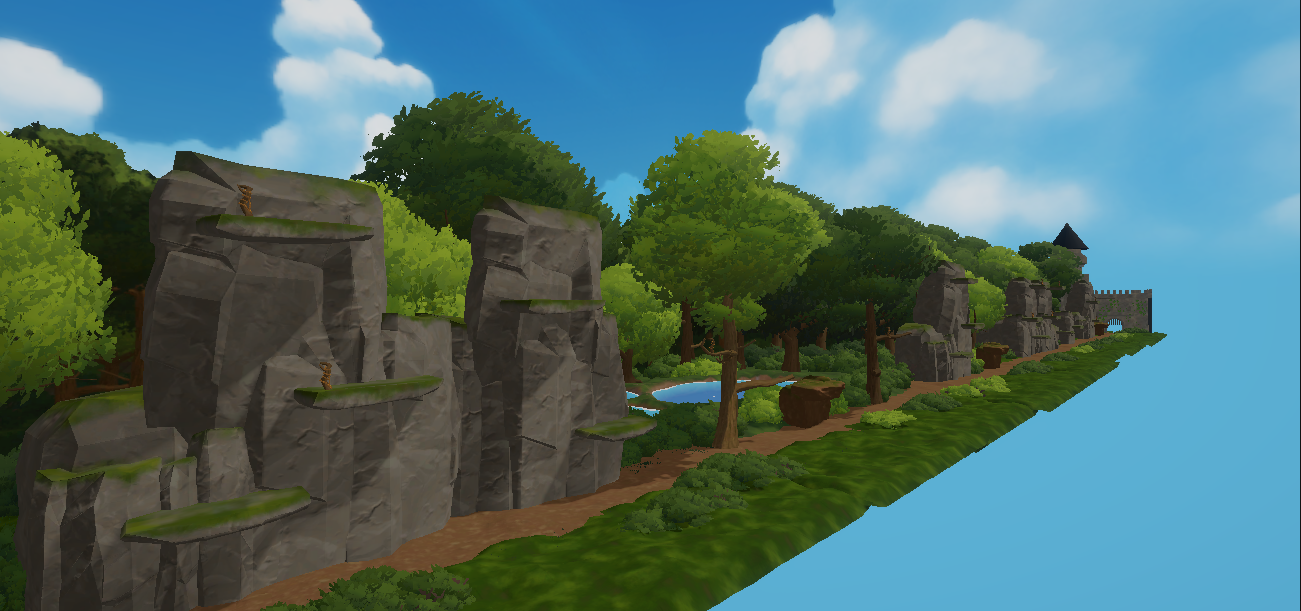
Polished level
Playable Level

Collaboration Highlights

Hook Adjustment

The hook was meant for high platforms. That broke enemy AI so I shifted anchors to keep speed and combat flow intact.

  • Playtest change: Removed excess platforms to keep the brawler focus intact.
  • Difficulty: Adjusted enemy placement to keep a balanced curve.
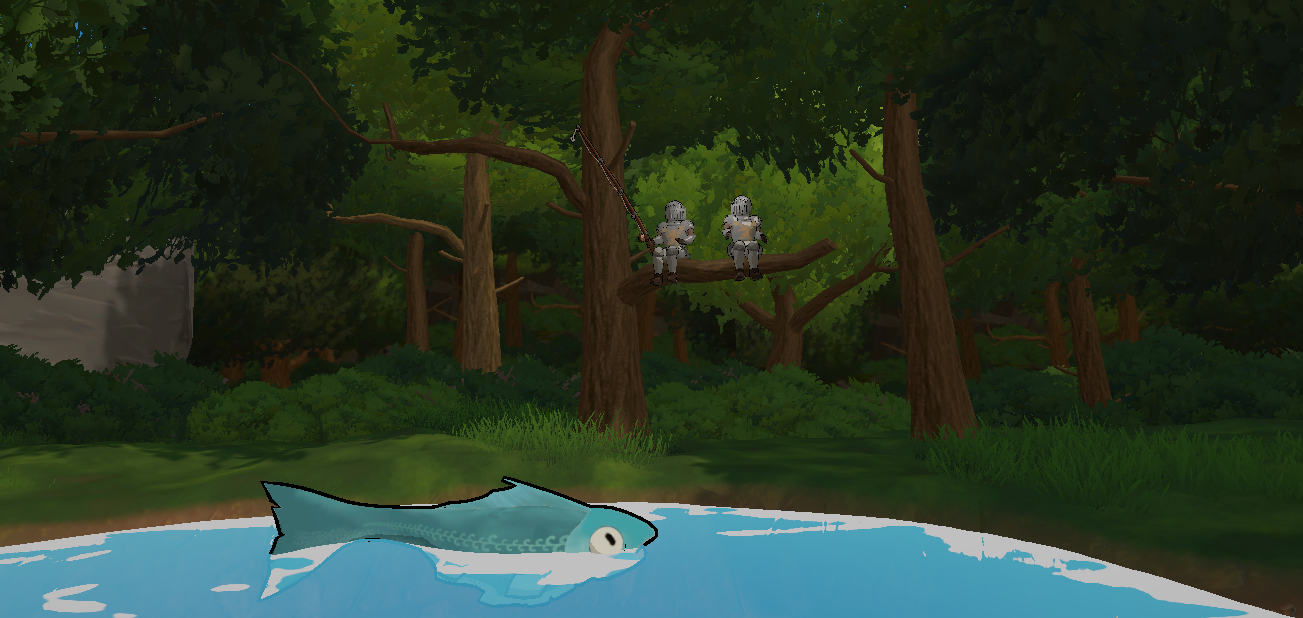
Encounter pacing

Cross-Discipline Sync

I worked closely with programmers, artists and designers to keep combat, traversal, and level flow aligned.

  • Game mechanics + AI: Adjusted level flow after new mechanics and AI changes landed.
  • Communication: Kept disciplines aligned so their work could ship smoothly.
  • Quality: Protected balance and polish while changes landed.

Full Walkthrough

Takeaways

  • Adaptability: Stepping in mid-project kept production moving.
  • Collaboration: Tight feedback loops with other disciplines prevented rework.
  • Stability first: Fixing the blockout unlocked better playtests and faster iteration.