Skip to the content.

Underground Garage Encounter

A Division-inspired third-person shooter encounter in an underground parking garage focused on cover-to-cover shooting, route choice, and a push → defend reversal with a clearly signaled side-door entry event.

My Role

I built this as a short, intense portfolio sprint to combine my recent learning into one complete TPS encounter slice.

  • Level + encounter design: Layout, pacing, and player guidance.
  • Implementation: Spawns and encounter sequencing.
  • Documentation + capture: Notes, screenshots, and clips.

Constraints

  • Scope: Single encounter slice.
  • Duration: 4-day sprint
  • Engine: Unreal Engine 5
  • Perspective: Third person

Assets: Unreal Engine Blockout Starter Pack + IWALS / AGLS.

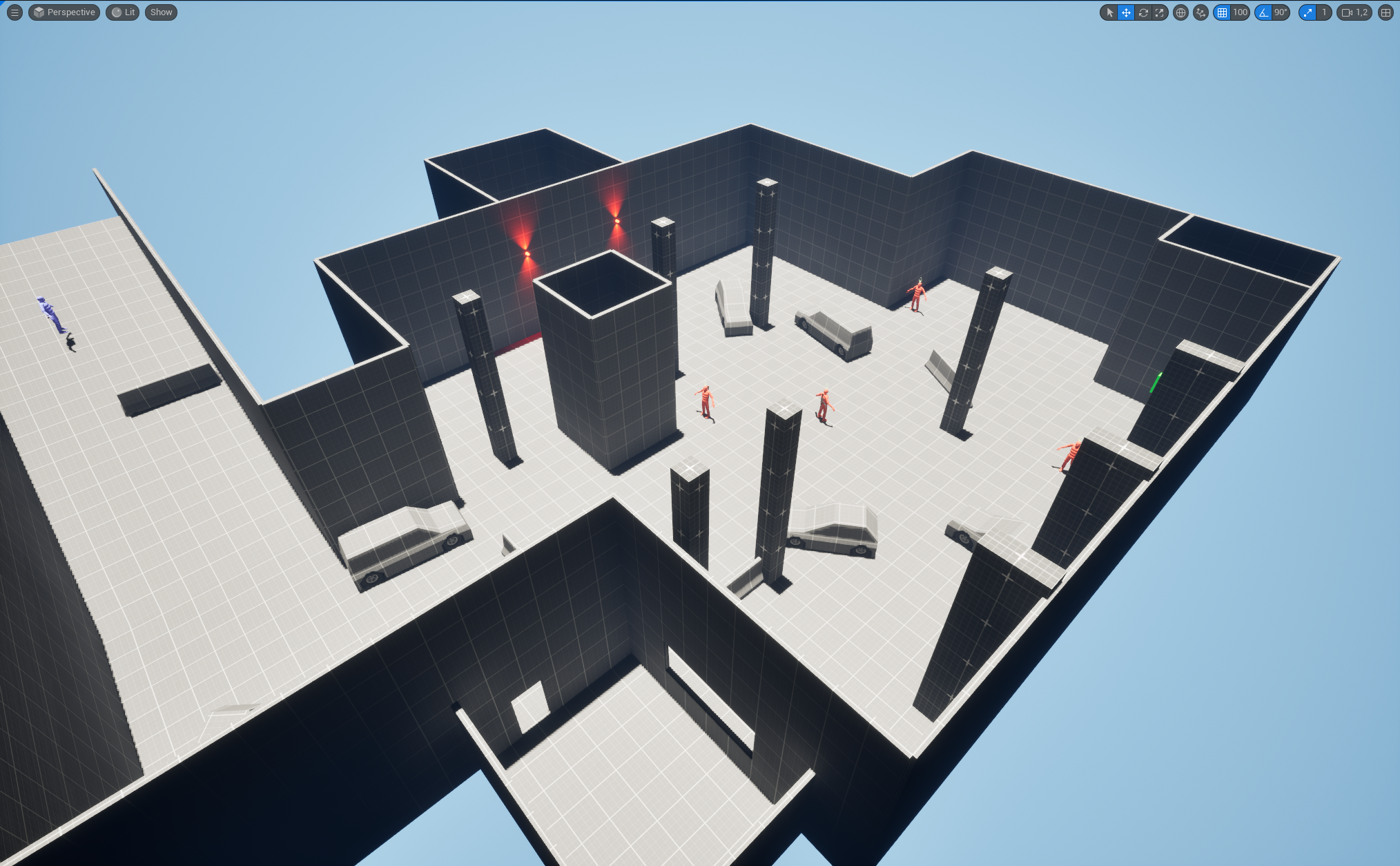
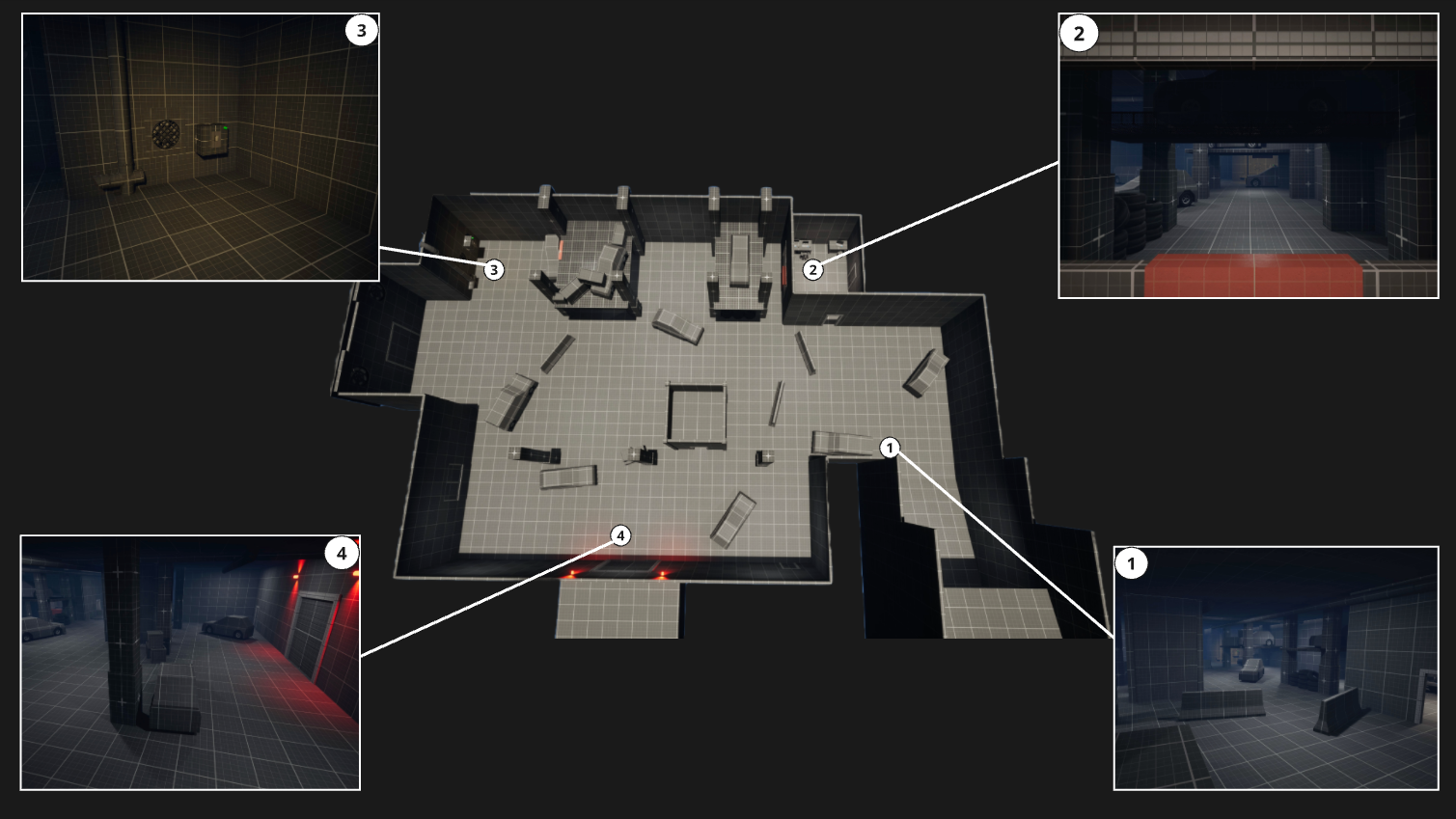
Level Overview

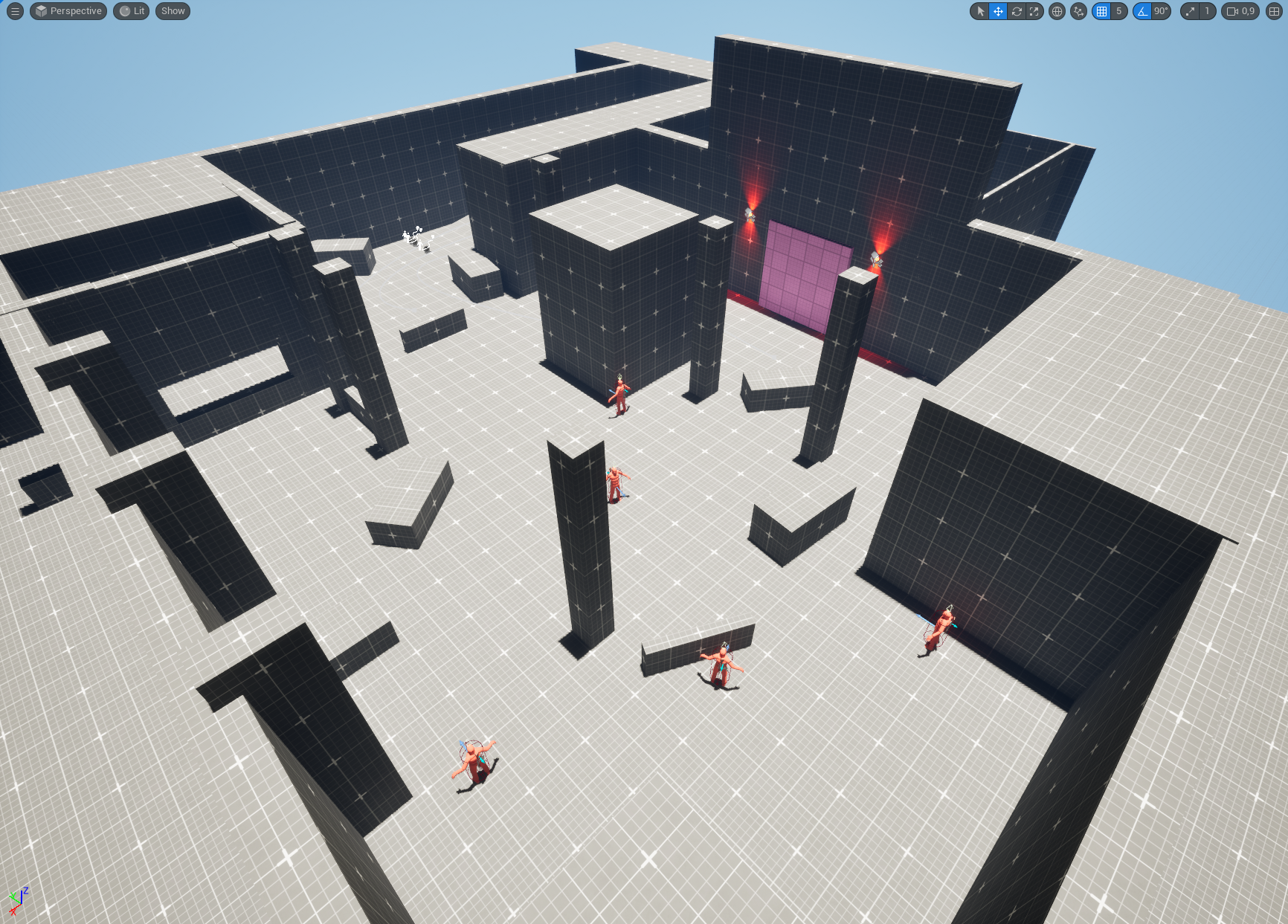
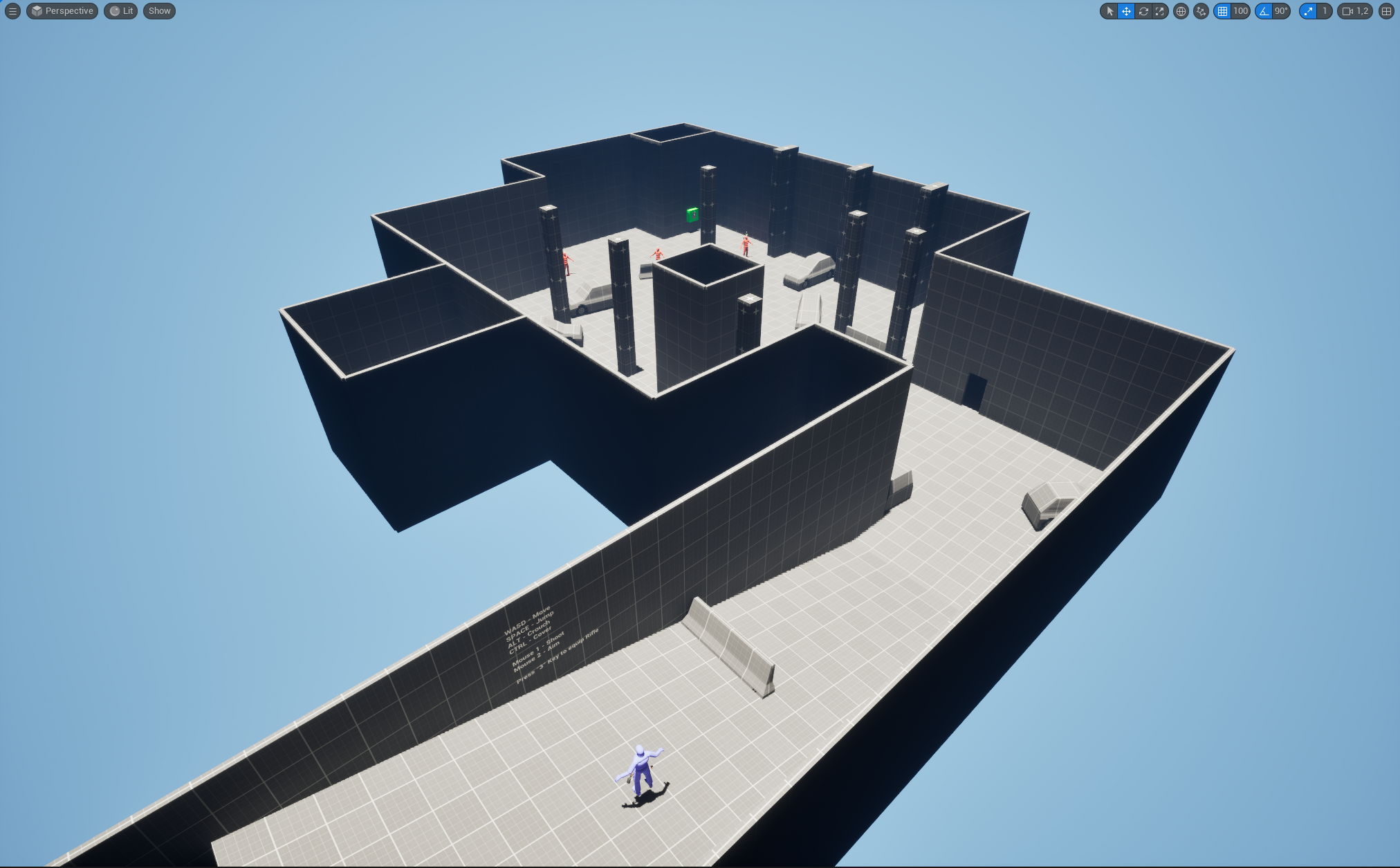
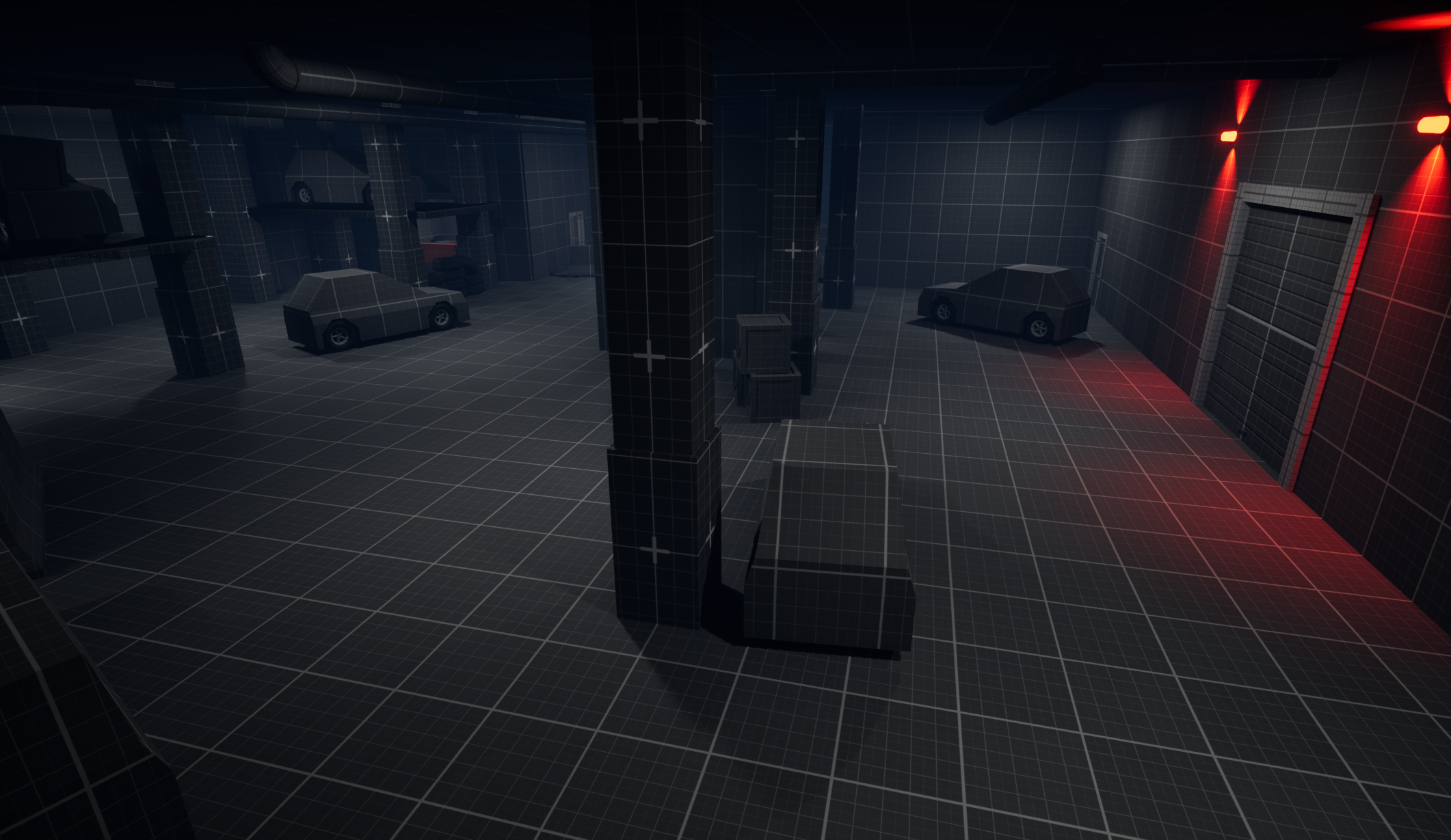
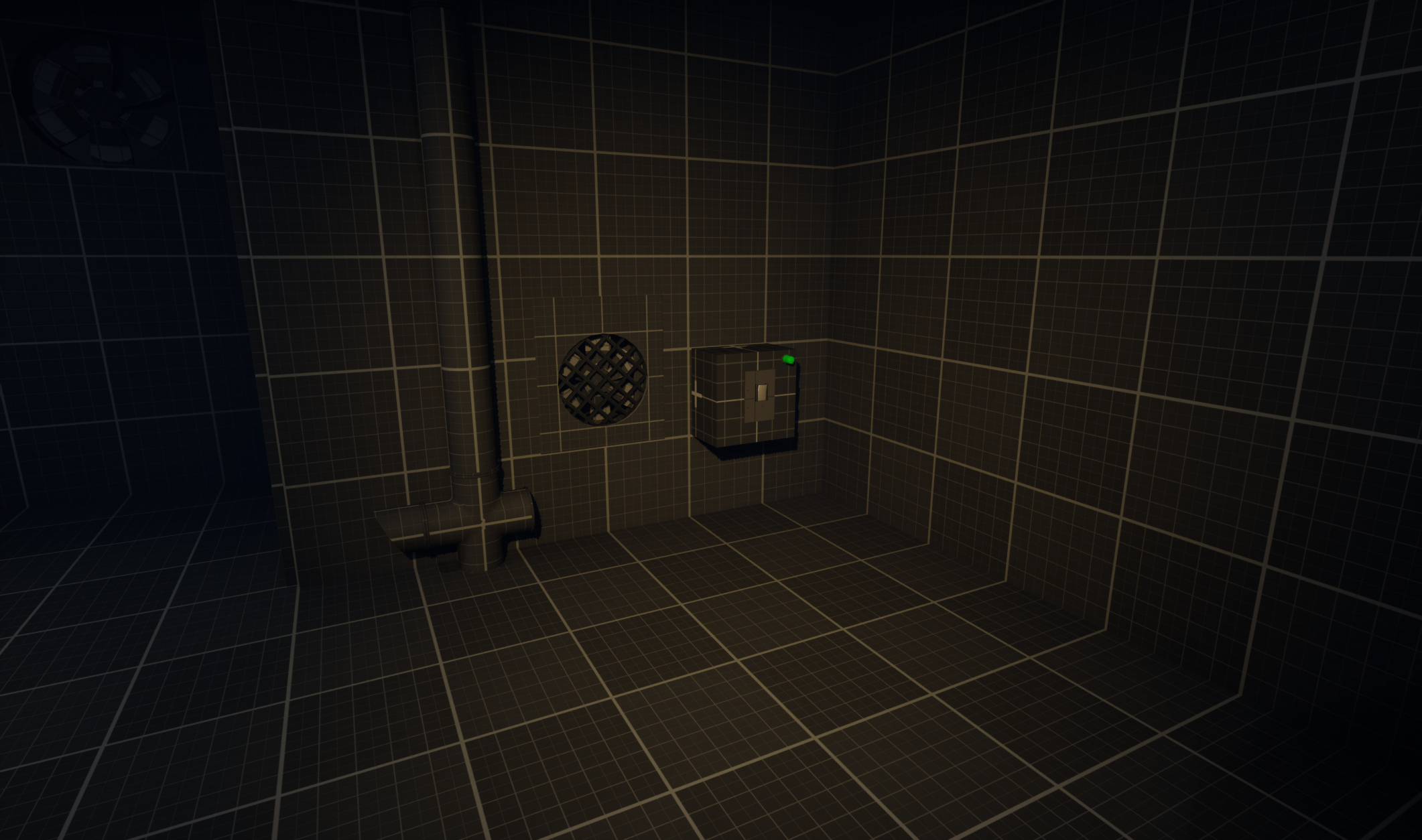
Top-down encounter overview

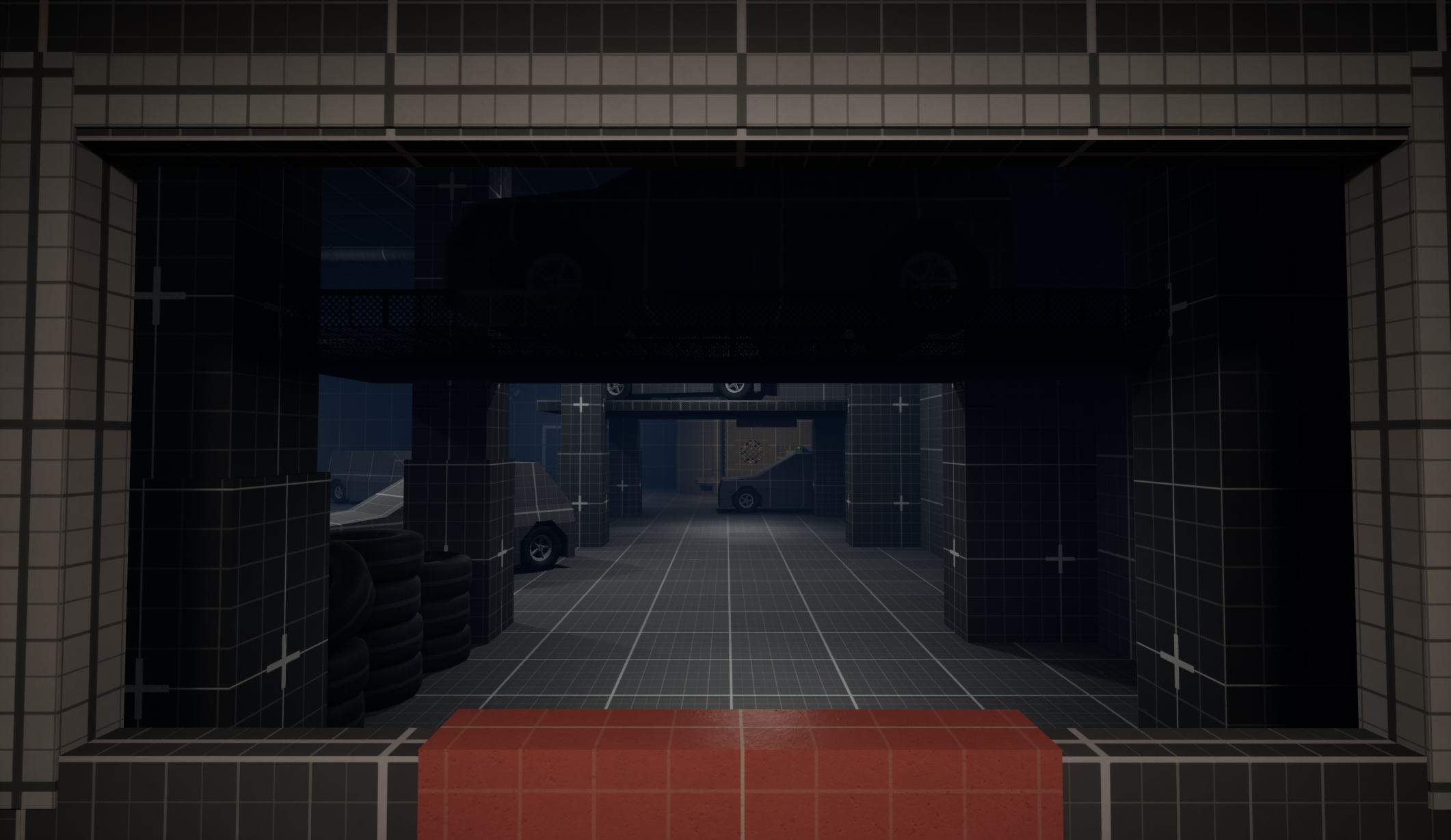
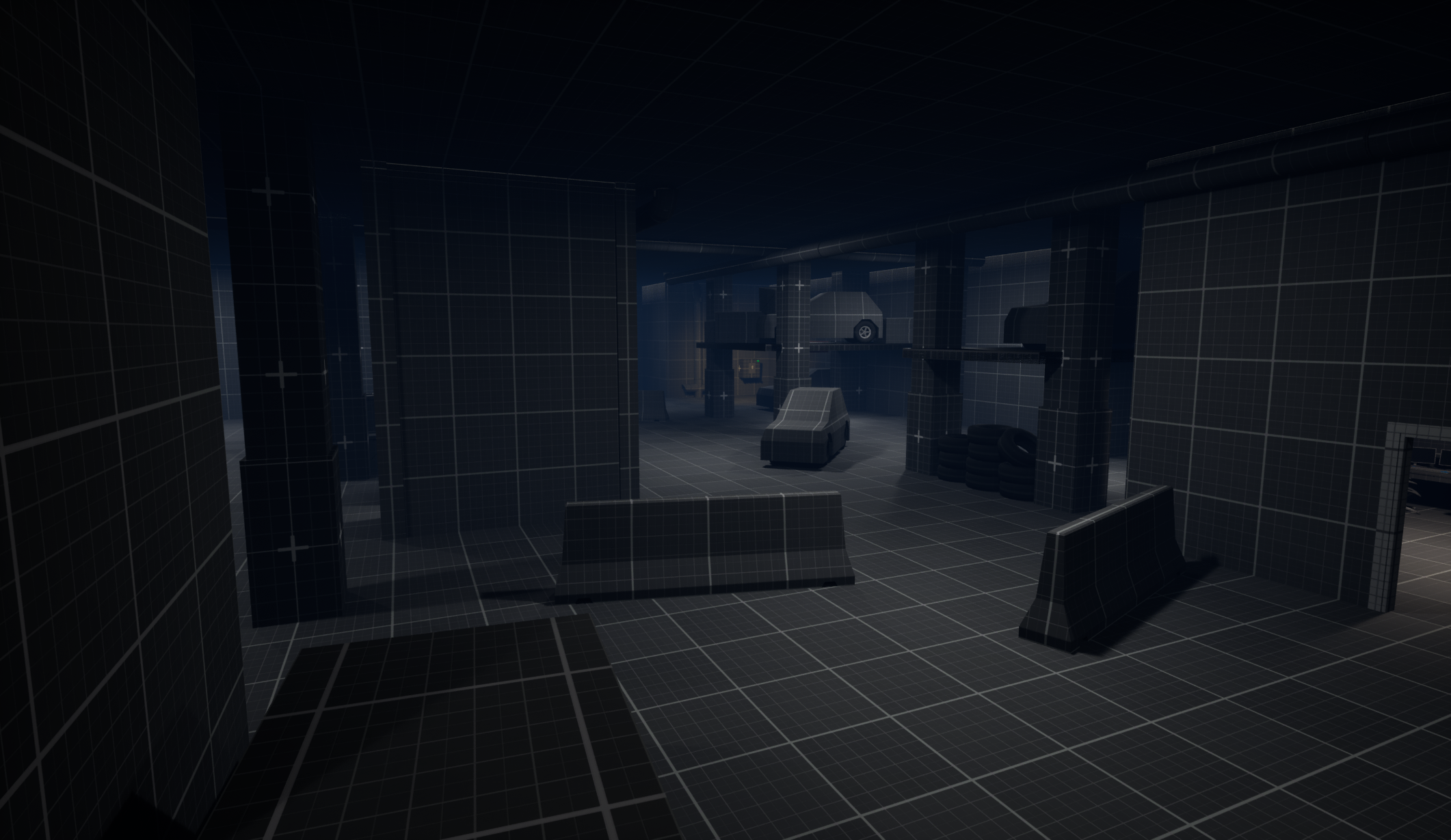
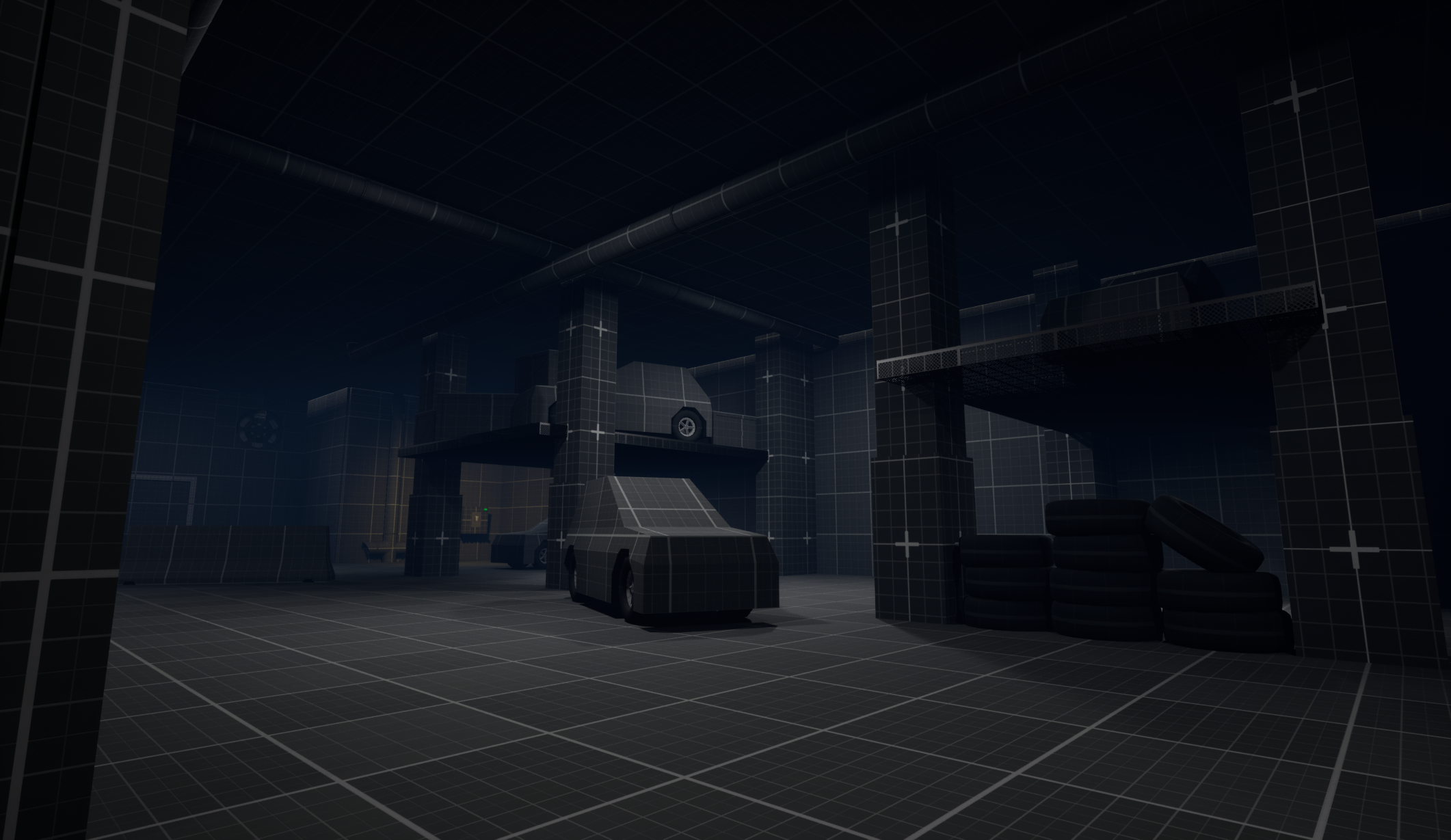
Moodboard

Player Journey

1. Spawn & Read Moment

The encounter opens with a quick read: objective direction, cover density, and route options are visible before committing.

  • Objective framing: Visible early to set direction.
  • Cover language: Safety and tempo are readable at a glance.
  • Route hints: Framing and lighting suggest choices.
2. Push Phase & Route Choice

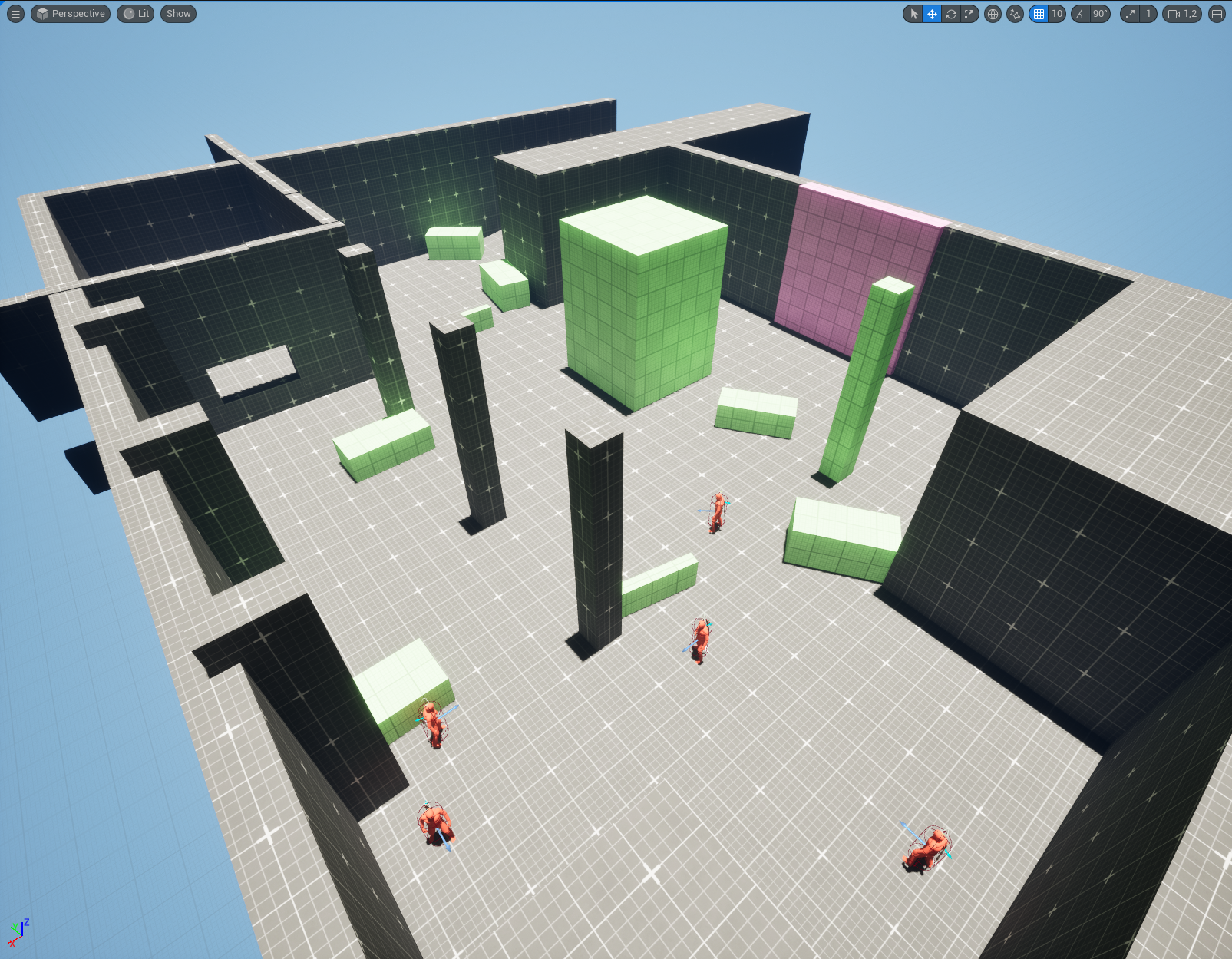
The push phase teaches the space. The golden path is direct but exposed; alternative routes require commitment but give tighter angles.

  • Golden path: Faster, more exposure, head-on pressure.
  • Alt paths: Risk to access, reward = tighter sightlines.
  • Pacing: Built for cover-to-cover movement.

3. Reset & Upload Trigger

After clearing the initial space, the player gets a calm reset moment to reload, reposition, and read the next objective.

  • Reset beat: Pacing contrast after the push.
  • Objective clarity: Interaction is obvious and readable.
  • Setup: Player is positioned for the reversal.

4. Defend + Door Breach Event

The upload flips threat direction. Mid-defense, a side door breach opens a new angle that creates controlled overwhelm.

  • Threat reversal: Enemies push from the player’s entry side.
  • Breach read: New angle is clearly signaled.
  • Feeling: Stressful but fair.

Iteration & Playtesting

Four playtests revealed key readability and fairness issues. I iterated quickly to make the encounter more readable while preserving the intended “overwhelmed” feeling.

Iteration Passes
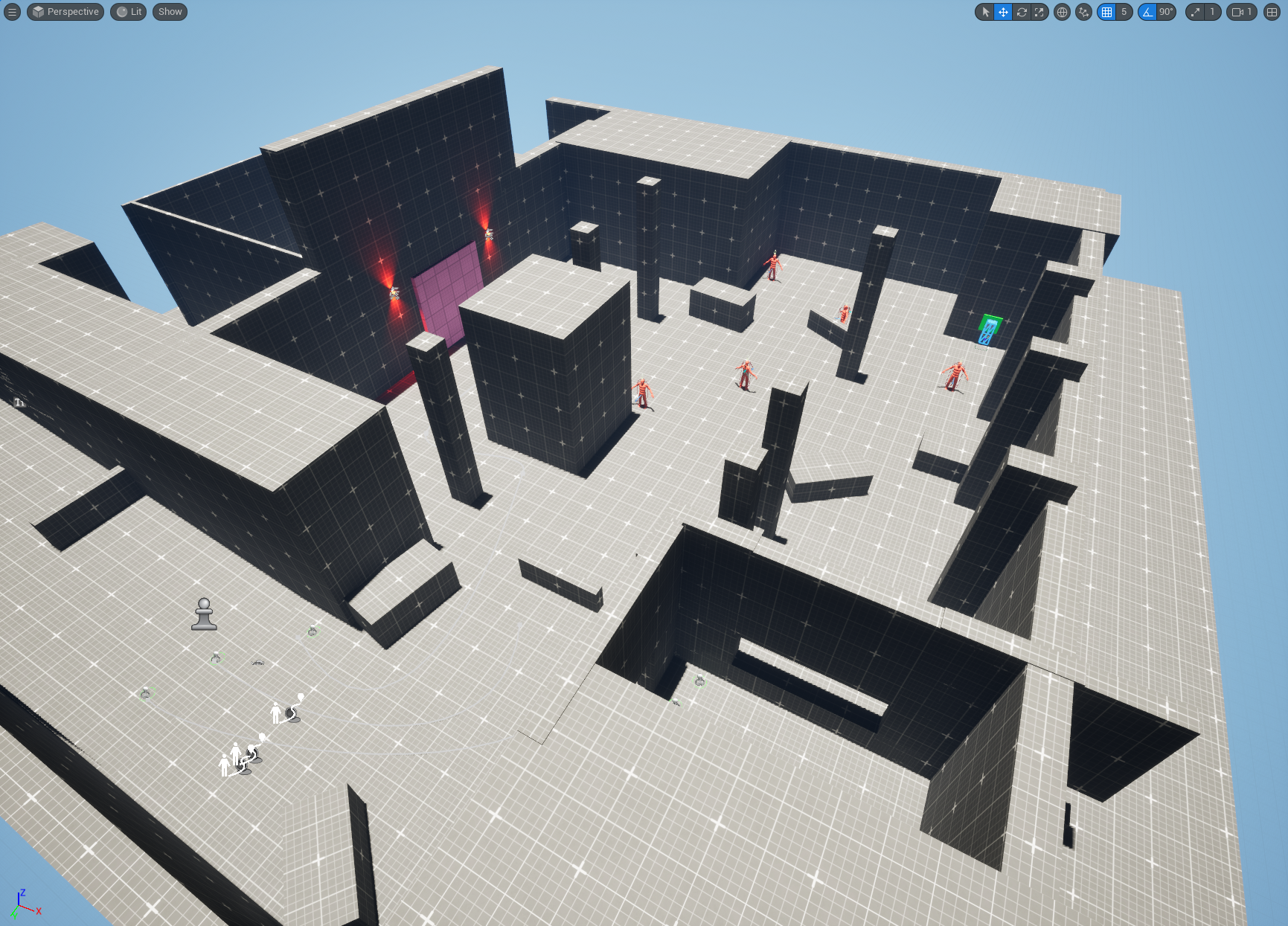
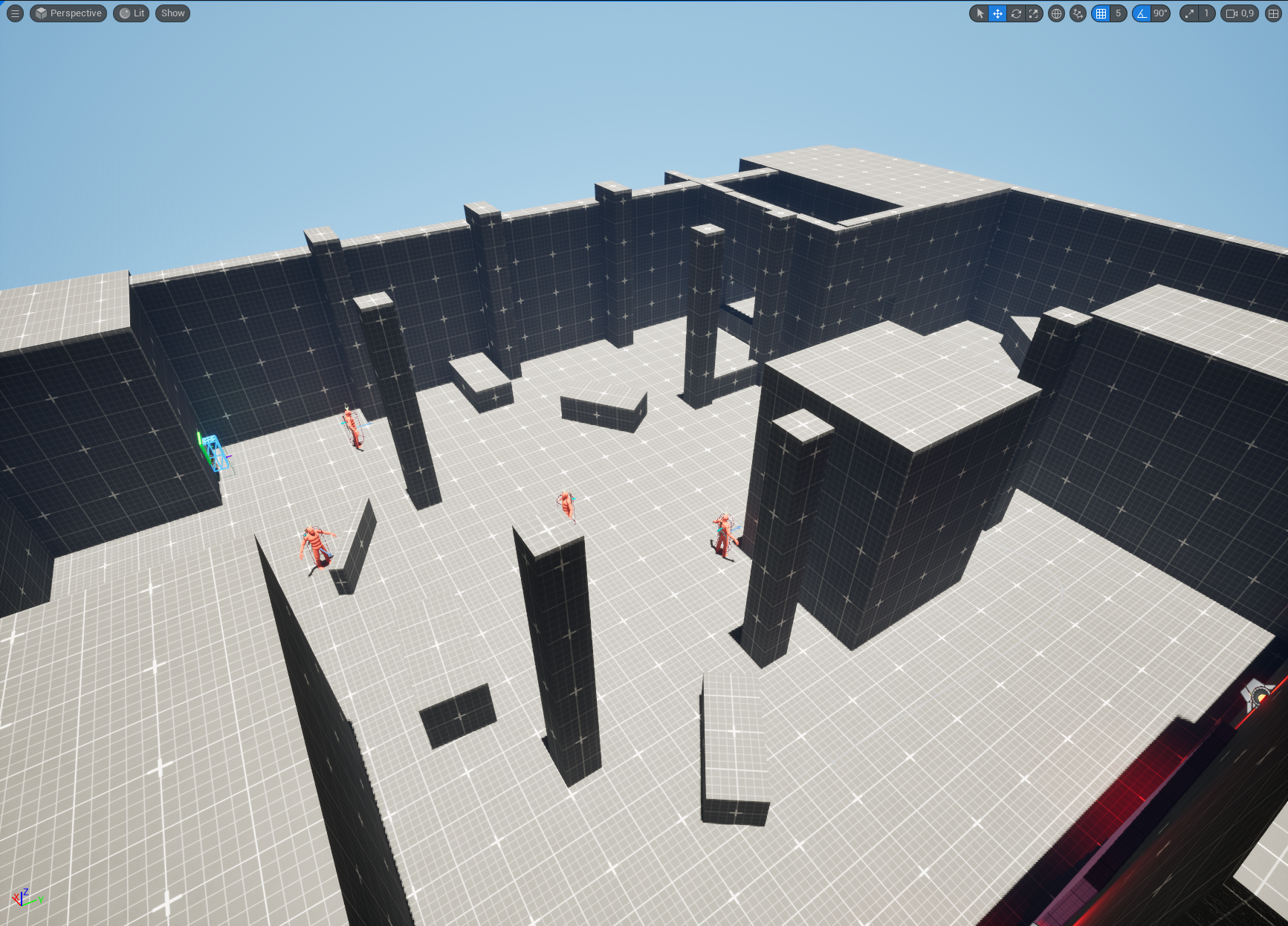
Iterations Before → After
Final Pass

Extra note: Players rushed into the open without reading the encounter. I added a subtle blocker and adjusted first-cover placement to create a deliberate “pause and scan” moment.

Mentor Playtest

Playtested and approved by Prashant Trivedi (Senior Level Designer, Massive Entertainment). The feedback confirmed the escalation beats are readable and the mid-fight shift feels fair.

Key Design Decisions

Escalation Rhythm

The encounter builds pressure in steps so players can stabilize, then adapt to a new problem—not just more enemies.

  • Waves: Reinforcements arrive in distinct waves, not a constant trickle.
  • Readable entries: Entry points are predictable so the threat can be read and answered.
  • Mid-fight shift: The new beat changes the situation, not just the count.

Tactical Choice Under Pressure

The space supports multiple viable approaches, so decision-making matters, not just aim.

  • Tradeoffs: Multiple holds with clear control vs safety tradeoffs.
  • Decision making: Encourages committing to a position and rotating at the right time.

Controlled Overwhelm

The defend phase aims for stress without confusion, with a clear spike and reaction window.

  • Spike moment: Pressure ramps into a clear peak, then resolves.
  • Clear cues: Light, sound, and motion introduce the new angle.
  • Decision: Forces hold / rotate / fall back.

Full Walkthrough

Takeaways

  • Timeboxing: Forced better prioritization and clearer beats.
  • Clear cues: Essential when a new combat angle appears mid-fight.
  • Route clarity: Small layout and lighting changes improved discovery.
  • Next: Extend the newly opened area and improve lighting/material pass for clarity.
Get in touch